Jednoduché tipy na udržiavanie dreveného nábytku, ktoré fungujú v skutočných domovoch.
Drevený nábytok rozvíja krásny charakter, keď sa správne udržiava. Pochopenie špecifických potrieb dreva funguje lepšie ako sledovanie zložitých rutín. Jednoduchá, konzistentná starostlivosť zvyčajne produkuje lepšie výsledky ako prepracované plány údržby.
Požiadavky druhov dreva
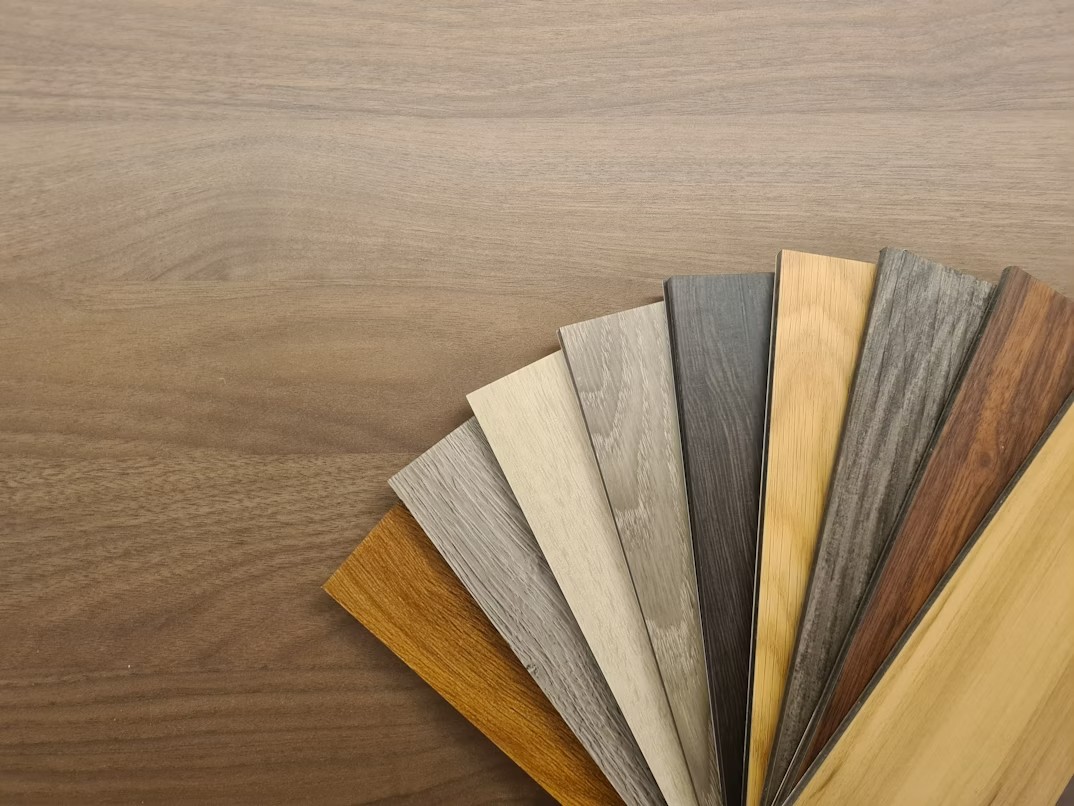
Rôzne typy dreva majú odlišné charakteristiky. Buk si zachováva silu, ale reaguje na zmeny vlhkosti. Dub dobre zvláda opotrebenie, ale profituje z príležitostného kondicionovania. Orech ponúka ohromujúci vzhľad, ale bledne v priamom slnečnom svetle.
Väčšina starostlivosti o nábytok sa zameriava na ochranu dreva pred primárnymi hrozbami: vlhkosťou, teplom a UV svetlom. Pochopenie týchto základov pomáha viac ako memorovanie špecifických techník pre každý typ dreva.
Základné denné praktiky
Týždenné utieranie prachu mäkkými handrami zabraňuje škrabancom od nahromadených častíc. Keď sa čistenie stane potrebným, ľahko vlhké handry s jemným mydlom fungujú lepšie ako agresívne čistiace prostriedky. Vždy okamžite osušte povrchy potom.
Podložky pod nápoje a filcové podložky pod dekoratívne predmety zabraňujú väčšine povrchových poškodení. Tieto jednoduché návyky zabraňujú hodinám opravárenskej práce neskôr.
Environmentálna ochrana
Slnečné svetlo spôsobuje blednutie a vysychanie. Umiestnite nábytok preč od priameho slnka alebo použite ošetrenia okien na filtrovanie ostrého svetla. Zdroje tepla ako radiátory a krby môžu prasknúť drevo, takže udržujte aspoň dve stopy vzdialenosti.
Zmeny vlhkosti spôsobujú, že sa drevo rozširuje a zmenšuje, potenciálne uvoľňujúc spoje v čase. Udržiavanie konzistentnej vnútornej vlhkosti okolo 40-45% pomáha predchádzať krivosti a praskaniu.
Sezónna údržba
Drevo profituje z príležitostného kondicionovania. Aplikujte nábytokový olej alebo vosk dvakrát alebo trikrát ročne, sledujte smer drevených vlákien. Prírodné produkty ako včelí vosk alebo ľanový olej fungujú dobre pre ručne vyrobené kúsky.
Aplikujte striedmo mäkkými handrami, dovoľte preniknutie podľa inštrukcií produktu, potom lešte, kým sa povrchy nebudú cítiť hladké. Cieľom je vyživovať drevo skôr ako stavať vrstvy produktu.
Riešenia bežných problémov
Biele vodné krúžky často reagujú na rovnaké časti bieleho octu a olivového oleja, vtrúvané s vláknami pomocou mäkkých handier. Menšie škrabanci v masívnom dreve sa niekedy môžu zlepšiť zodpovedajúcimi markerami na retušovanie alebo trením orechového mäsa cez postihnuté oblasti.
Voľné spoje by sa mali rýchlo riešiť. Zriedka sa opravujú samy a zvyčajne sa časom zhoršujú. Znovu zlepte voľné komponenty alebo konzultujte profesionálov na opravu nábytku pre cenné kúsky.
Úvahy pre ručne vyrobené kúsky
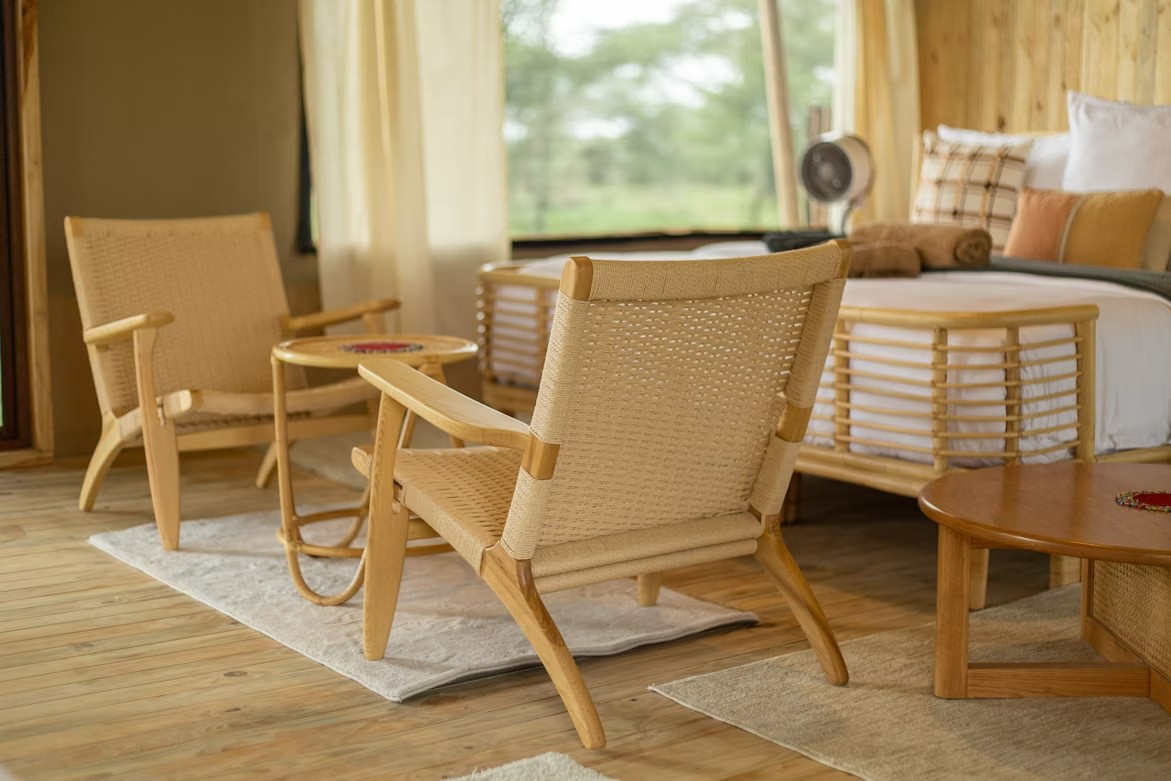
Ručne vyrobený nábytok často predstavuje prírodné povrchové úpravy, ktoré zdôrazňujú drevené vlákna. Použite vysokokvalitné mikrovláknové handry na čistenie a vyhnite sa komerčným sprej leštiacim prostriedkom, ktoré sa môžu časom hromadiť.
Pre prírodné olejové povrchové úpravy, znovu aplikujte kondicionačný olej ročne v zodpovedajúcich tónoch dreva. Pravidelne utiahnite hardvérové pripojenia, najmä na často používaných položkách ako stoličky a stoly.
Potreby profesionálneho servisu
Niektoré situácie vyžadujú profesionálnu pozornosť: významné štrukturálne poškodenia, hlboké škrabanci prenikajúce povrchové úpravy, vodné poškodenia spôsobujúce krivosť, alebo potreby nového povrchového ošetrenia. Pre cenné alebo antické kúsky konzultujte špecialistov na reštaurovanie nábytku pred pokusom o väčšie opravy.
Pravidelná údržba predchádza väčšine problémov a udržiava drevený nábytok krásny roky. Malá investícia konzistentnej starostlivosti platí dividendy v dlhovekosti a kráse. Drevo rozvíja charakter a patinu v čase, robí každý kúsok jedinečne osobným.