How to mix various wood species and finishes to create cohesive, stylish interiors.
Combining different wood species in furniture creates visual interest and character. Successful mixing involves understanding wood relationships rather than perfect matching. The goal involves creating cohesive spaces that feel intentional rather than chaotic.
Establishing a Primary Wood
Select one wood type as the foundation for your space. This primary wood should appear in major pieces like dining tables or main storage furniture. Oak works well as a dominant wood due to its versatility and finish options.
Smaller accent pieces can introduce other wood types without overwhelming the overall design. This approach creates visual hierarchy while allowing variety.
Focusing on Wood Tones
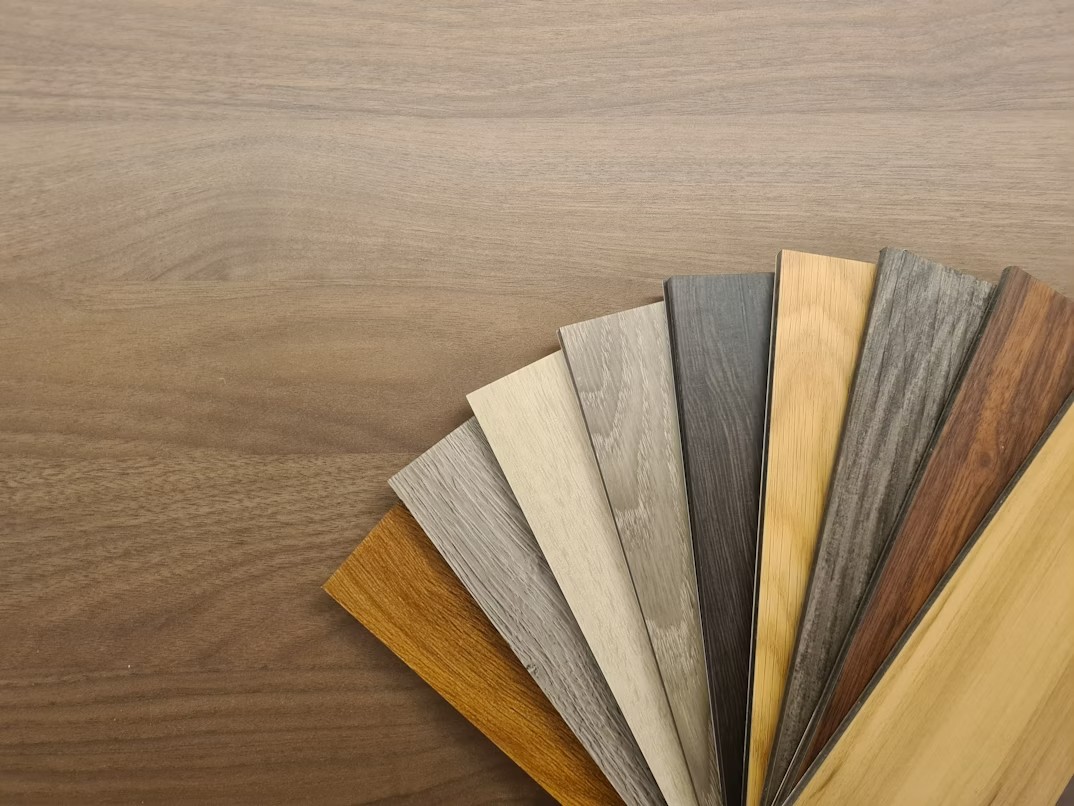
Wood colour matters more than species when creating harmonious combinations. Light woods like maple and ash work well together, whilst darker woods like walnut and mahogany form their own groupings. Medium-toned woods like cherry can bridge between light and dark pieces.
Consider overall colour rather than specific species. A light oak table can complement light maple chairs effectively, despite being different species.
Maintaining Finish Consistency
Similar finishes help different woods feel cohesive. All matte or all glossy finishes create visual harmony even when wood types vary. This approach works particularly well in open floor plans where multiple pieces are visible simultaneously.
Mixing finish types requires careful planning and consideration. Generally, maintaining finish consistency throughout a space creates more successful results.
Creating Visual Balance
Distribute different wood types evenly throughout the room rather than clustering similar pieces together. This prevents areas from feeling too heavy or too light compared to the rest of the space.
Balance dark wood dining tables with lighter wood chairs or sideboards. The goal involves creating visual interest without chaos or overwhelming contrasts.
Using Textiles as Connectors
Area rugs and textiles can help unify different wood pieces. Rugs with colours that complement both light and dark woods create visual connections between otherwise disconnected pieces.
Textiles add softness to wood-heavy spaces, making mixed wood combinations feel more intentional and less overwhelming.
Considering Lighting Conditions
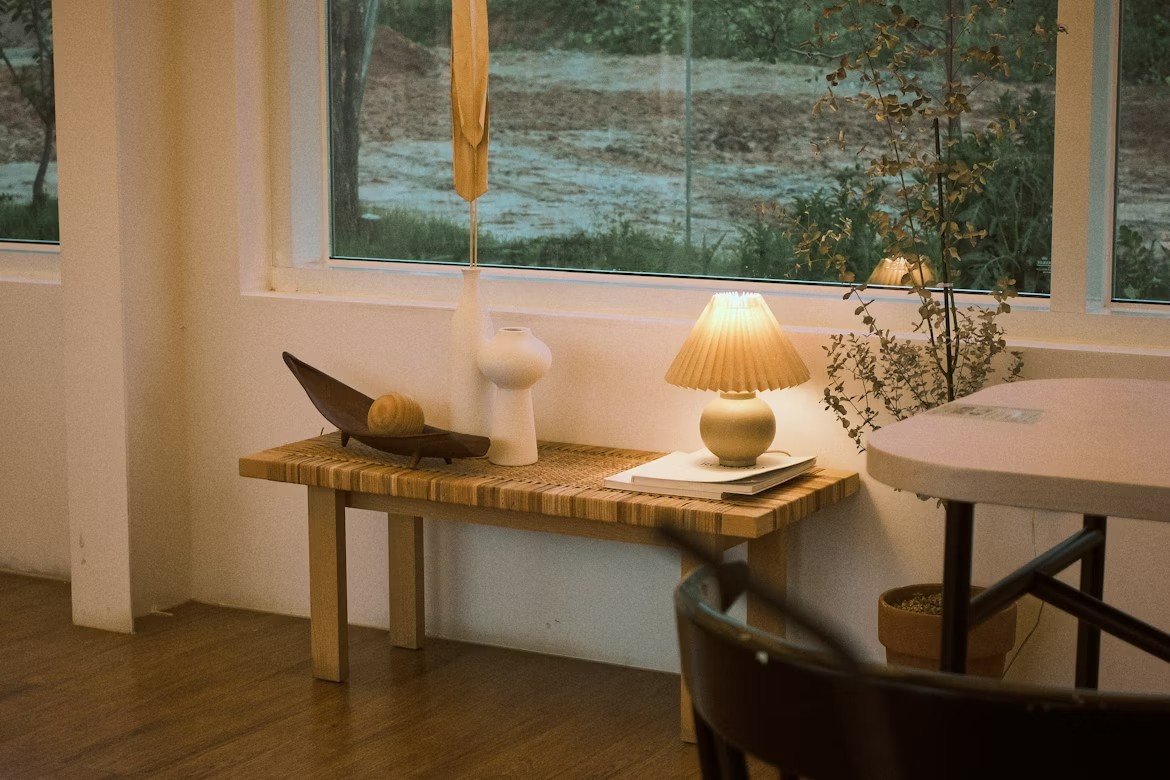
Natural light significantly affects how wood colours appear together. Well-lit rooms can handle more wood variety, whilst darker rooms might benefit from more consistent wood tones.
Test wood combinations in actual room conditions rather than showroom settings. Lighting can dramatically change how woods appear together.
Building Gradually
Begin with two or three wood types rather than attempting to mix everything simultaneously. This approach allows time to evaluate how pieces work together before introducing additional variety.
Additional wood types can be introduced later, but simplifying becomes more difficult once too many different types are present.
Successful wood mixing depends on understanding balance and visual flow. The goal involves creating spaces that feel intentional and comfortable rather than perfectly matched. Start with one dominant wood, consider tones and finishes, and build gradually whilst trusting your instincts about what feels right in your specific space.