Mirror placement and styling techniques that transform your space without breaking the bank.
Mirrors serve multiple functions beyond simple reflection. They distribute light throughout rooms, create spatial illusions, and add visual interest to plain wall surfaces. Strategic mirror placement can significantly enhance room ambiance and perceived size.
Grouped Mirror Collections
Multiple smaller mirrors create more visual interest than single large pieces. Mix different shapes and sizes rather than maintaining uniform collections. Round mirrors paired with rectangular ones generate more dynamic arrangements than matching frames.
Position mirror groups where they'll reflect attractive elements. Windows with pleasant views work better than blank walls. The reflection becomes an integral part of the decorative scheme.
Layered Display Techniques
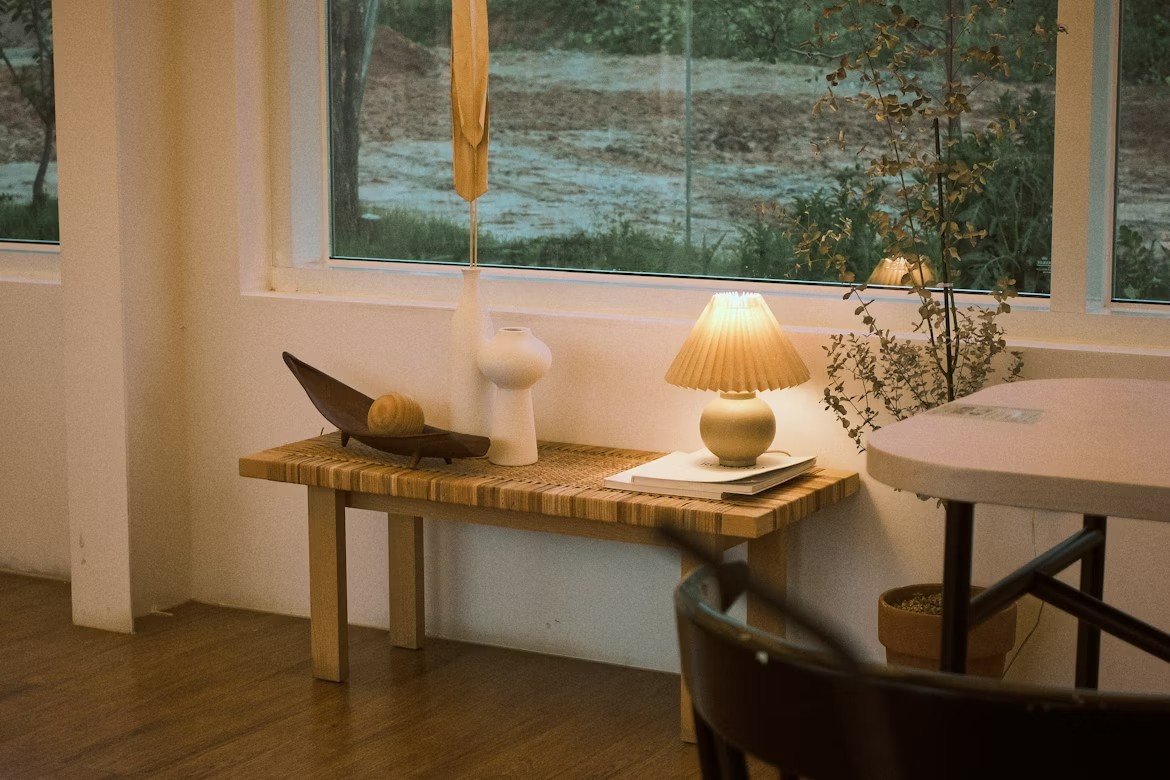
Mirrors combine effectively with artwork and decorative objects. Place mirrors behind console tables, then layer smaller framed pieces or decorative bowls in front. This approach creates visual depth and makes entire arrangements more dynamic.
Mirrors amplify whatever sits in front of them, so choose objects that look appealing from multiple angles. Simple vases or sculptures often work better than complex artwork that might appear distorted in reflection.
Window Illusion Creation
Mirrors can simulate windows in rooms with limited natural light. Position large mirrors directly across from actual windows to double light and create the illusion of additional openings.
Diamond-shaped mirrors work particularly well for this purpose. Their geometric forms add visual interest while effectively distributing light throughout rooms. Asymmetrical designs feel more contemporary than traditional rectangular mirrors.
Floor Mirror Positioning
Full-length mirrors don't require wall mounting. Leaning large floor mirrors against walls creates relaxed, casual atmospheres while providing all space-enhancing benefits.
This approach works especially well in bedrooms or dressing areas where full-outfit viewing is necessary. The leaning position feels less formal and more approachable than wall-mounted alternatives.
Architectural Feature Enhancement
Use mirrors to highlight interesting architectural elements in homes. Place them within alcoves, between columns, or above fireplace mantels to emphasise these features while adding reflective beauty.
Custom-sized mirrors that fit perfectly within architectural features create built-in appearances. This technique works particularly well in older homes with unique architectural details deserving attention.
Mirror placement strategy matters more than mirror selection. Consider what each mirror will reflect before installation. Mirrors showing clutter amplify visual chaos, whilst those reflecting natural light or attractive decor elements enhance spaces effectively. The goal involves creating visual interest rather than simply adding reflective surfaces wherever wall space exists.