Guidelines for arranging furniture that creates comfortable, functional living spaces.
Effective furniture placement focuses on how people actually use spaces rather than rigid design rules. Comfort and functionality typically matter more than perfect symmetry or current trends. The goal involves creating arrangements that support daily activities and feel natural to use.
Traffic Flow Planning
Clear pathways through rooms prevent frustration and cramped feelings. Identify primary routes people take through each space and maintain open access. This doesn't require pushing all furniture against walls.
Floating pieces in room centres sometimes creates better flow than perimeter arrangements. The key involves maintaining clear movement paths whilst supporting room functions.
Conversation Area Design
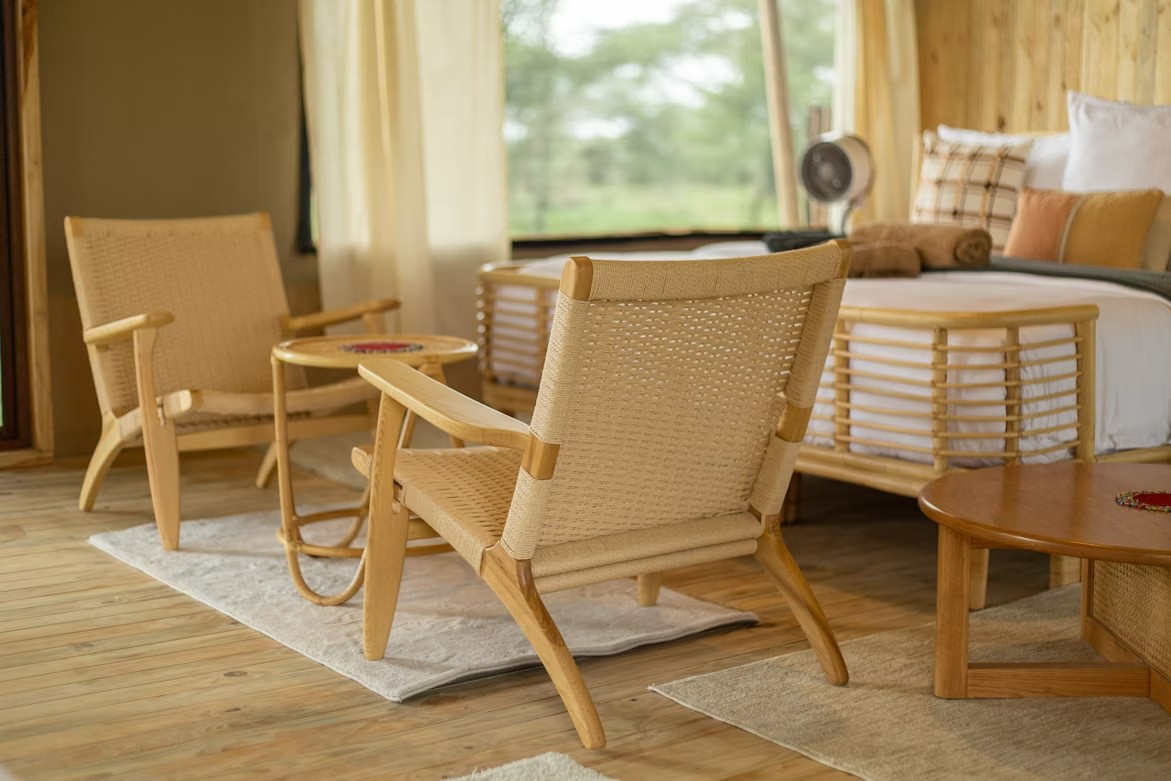
Furniture should facilitate interaction rather than hinder it. Arrange seating so people can communicate comfortably without shouting or straining. This typically means placing chairs and sofas within eight feet of each other.
Angling furniture slightly toward each other feels more natural than parallel arrangements. This approach creates more inviting atmospheres for conversation and interaction.
Room Purpose Alignment
Each room serves specific functions that should guide furniture placement. Living rooms need comfortable seating for relaxation and conversation. Dining rooms require easy table access and clear surrounding pathways.
Avoid trying to make single rooms serve too many purposes. Rooms that excel at one function typically work better than spaces attempting multiple roles poorly.
Visual Weight Distribution
Large, heavy furniture can overwhelm rooms without proper balance. Distribute visual weight evenly throughout spaces. Large sofas need substantial pieces on opposite sides to create equilibrium.
Perfect symmetry isn't necessary for good balance. Asymmetrical arrangements often feel more natural and interesting than rigid symmetrical designs.
Breathing Room Maintenance
Furniture requires surrounding space to look its best. Overcrowding rooms makes everything feel cluttered and uncomfortable. Sometimes removing one piece dramatically improves overall room feel.
Maintain at least 18 inches between furniture pieces when possible. This creates visual breathing room and facilitates easier movement throughout spaces.
Architectural Integration
Room features like windows, doors, and fireplaces should influence furniture placement decisions. Work with architectural elements rather than against them to create cohesive arrangements.
Windows provide natural light and views, so avoid blocking them with tall furniture. Fireplaces often serve as natural focal points, so arrange seating to take advantage of these features.
Scale and Proportion Considerations
Furniture should match room dimensions appropriately. Oversized pieces in small rooms feel cramped, whilst undersized pieces in large rooms appear lost. Choose furniture that fits spaces proportionally.
This principle applies to both individual pieces and overall arrangements. Small coffee tables with large sofas look unbalanced, just as large coffee tables with small chairs create awkward proportions.
Arrangement Testing
Walk through rooms and use them normally to test arrangements. Can you move around comfortably? Does furniture support the activities that happen there? Does the arrangement feel natural and inviting?
Sometimes arrangements that look good on paper don't work in practice. Adjust based on actual daily use rather than theoretical design principles.
Lighting Integration
Furniture placement affects lighting requirements. Reading areas need good task lighting, whilst conversation areas benefit from softer, ambient lighting. Consider how arrangements impact both natural and artificial lighting.
Avoid placing seating where people face bright lights or sit in dark corners. Good lighting makes furniture arrangements more comfortable and functional.
Furniture placement success depends on creating spaces that work for actual living patterns. The best arrangements feel natural and comfortable whilst supporting room activities. Focus on function first, then adjust for aesthetics. The goal involves creating rooms people want to use, not just admire.