Furniture arrangement tips that make the most of space and create comfortable living areas in compact homes.
Compact living spaces present unique furniture arrangement challenges. Strategic placement can create comfortable, functional areas even in limited square footage. The goal involves maximising both visual space and practical functionality.
Function-First Planning
Space planning begins with understanding actual usage patterns. Identify primary activities and necessary pathways before selecting furniture pieces. This approach eliminates unnecessary items and focuses on essential functions.
Multi-purpose furniture serves small spaces better than single-function pieces. A storage ottoman provides seating and organisation, whilst a dining table can double as workspace when needed.
Creating Visual Space
Furniture positioning significantly impacts perceived room size. Floating pieces away from walls creates visual breathing room, even in tight quarters. This technique makes rooms feel more open than wall-to-wall arrangements.
Empty space around furniture prevents cluttered appearances. Sometimes removing one piece dramatically improves the entire room's feel. Strategic emptiness enhances rather than wastes space.
Vertical Space Utilisation
Floor space limitations require upward thinking. Tall storage units, wall-mounted shelves, and hanging elements maximise vertical space efficiently. This approach keeps floors clear whilst providing necessary storage capacity.
Strategic mirror placement can visually double room size. Large mirrors positioned across from windows reflect light and create illusion of additional space. Placement matters more than mirror size.
Appropriate Furniture Scaling
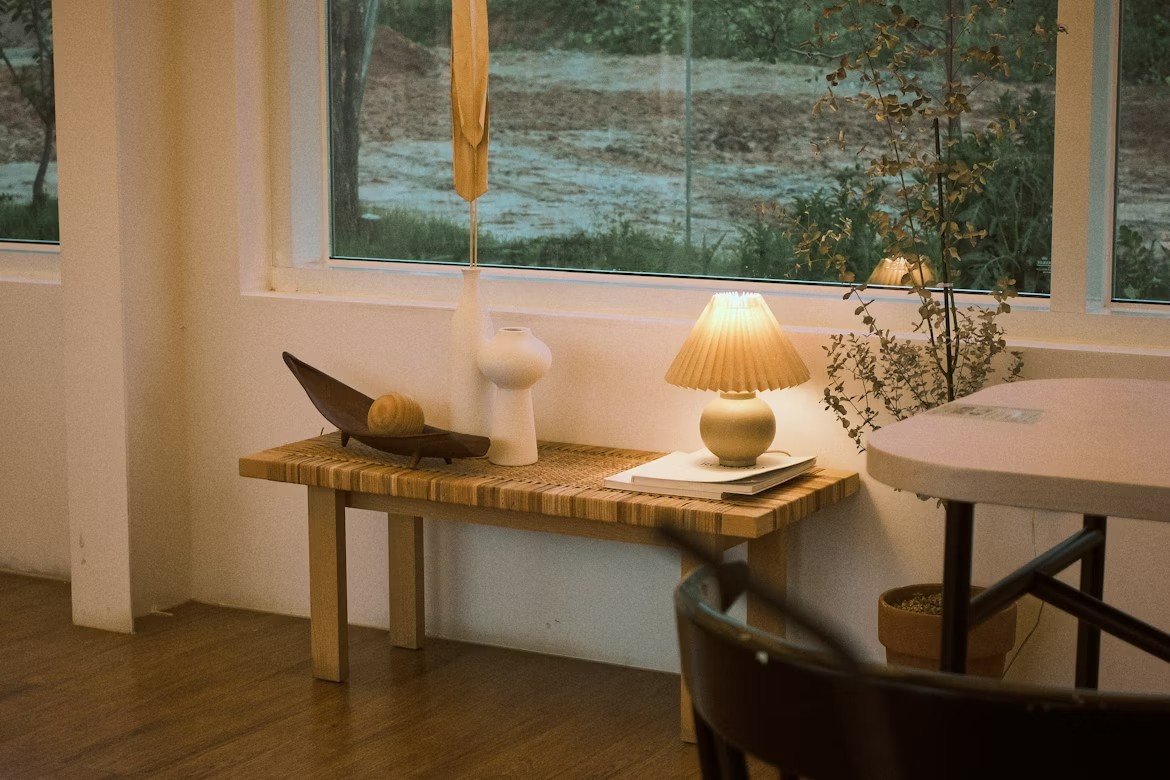
Furniture proportions must match room dimensions. Oversized pieces overwhelm small spaces, whilst properly scaled items create comfortable proportions. Legged furniture creates visual space underneath, enhancing openness.
Convertible furniture offers flexibility in small spaces. Expandable dining tables, sofa beds, and modular storage systems adapt to changing needs without requiring additional floor space.
Lighting Strategies
Proper lighting enhances small space functionality and perceived size. Layered lighting includes overhead fixtures for general illumination, task lighting for specific activities, and accent lighting for visual interest.
Natural light becomes crucial in compact spaces. Unobstructed windows and light-filtering treatments maximise daylight whilst maintaining privacy. Artificial lighting should complement rather than compete with natural sources.
Colour and Pattern Balance
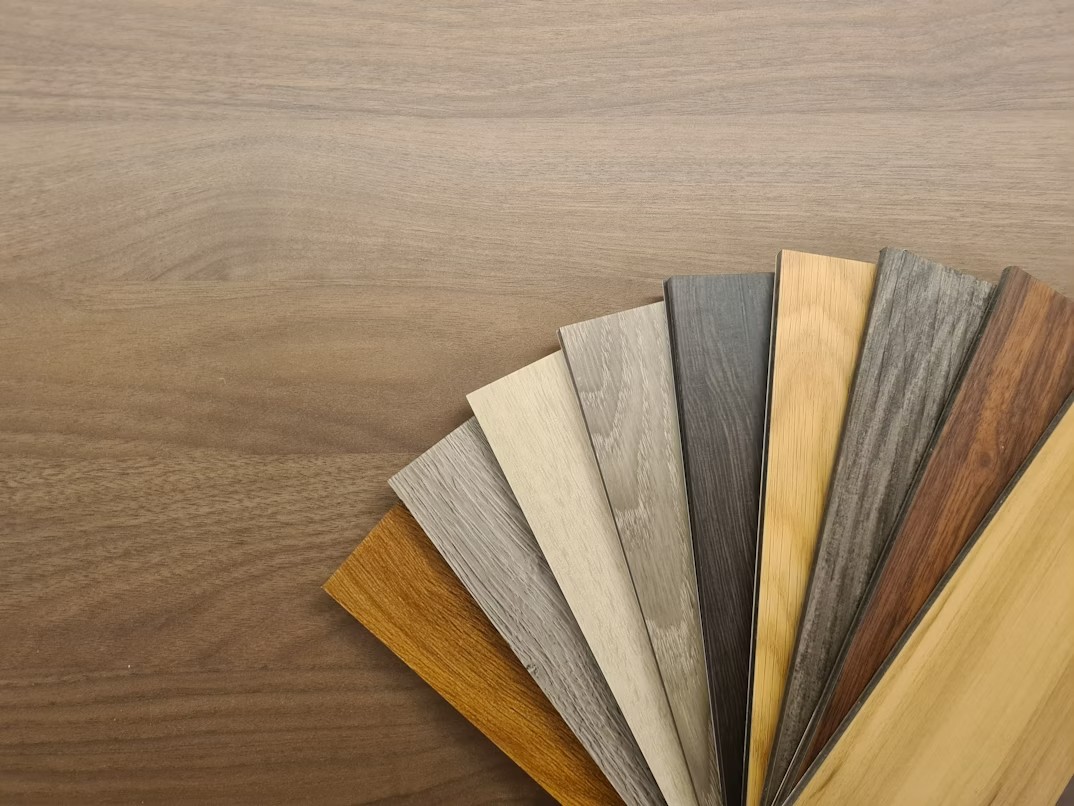
Colour choices affect spatial perception in small rooms. Light colours generally expand visual space, but consistency matters more than specific hues. Too many contrasting colours create visual chaos rather than interest.
Related colour tones create visual flow throughout small spaces. This doesn't require perfect matching but rather harmonious relationships that guide the eye smoothly through the room.
Integrated Storage Solutions
Built-in storage maximises capacity whilst maintaining clean lines in small spaces. When built-ins aren't possible, choose storage pieces that blend with room design rather than standing out as separate elements.
Hidden storage options include ottomans with internal compartments, beds with under-drawer storage, and coffee tables with concealed storage areas. These solutions provide organisation without visual clutter.
Small space success depends on thoughtful planning rather than cramming maximum furniture into minimum space. Focus on creating environments that support actual living patterns. Sometimes fewer, better-chosen pieces create more comfortable spaces than numerous items competing for attention.