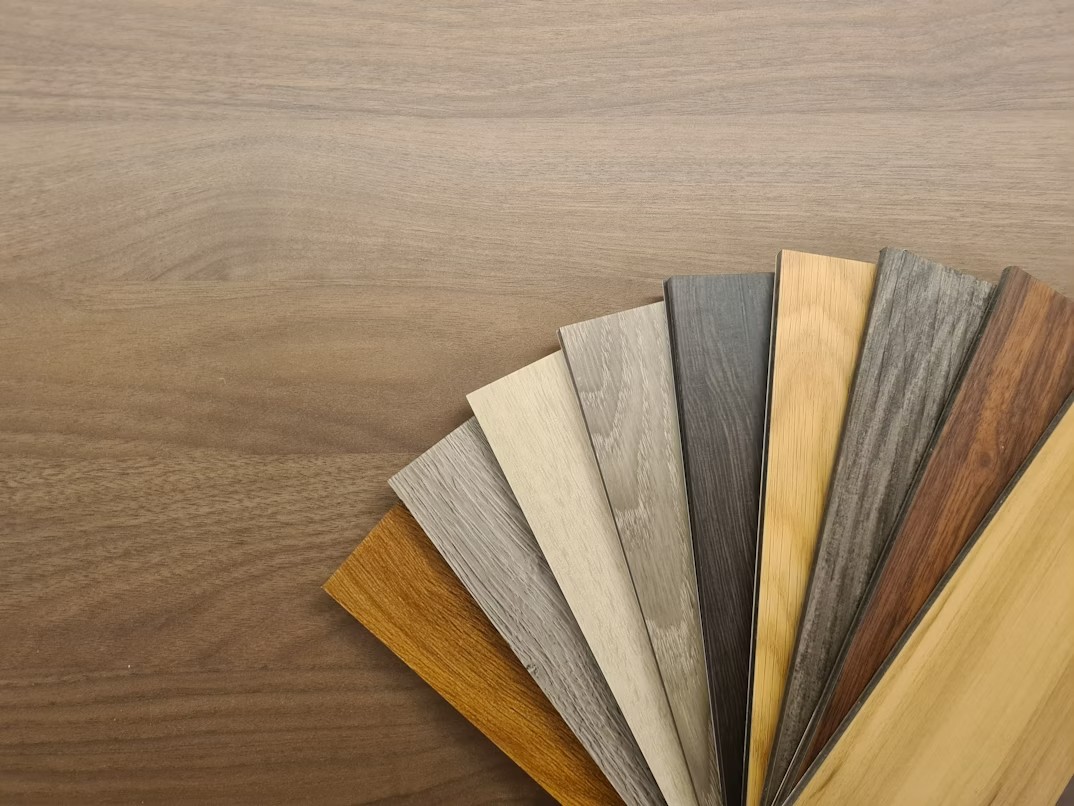
Why quality wooden furniture costs more upfront but saves money over time compared to cheaper alternatives.
Quality wooden furniture requires significant upfront investment but often provides better long-term value than cheaper alternatives. The initial cost difference becomes negligible when considering durability, repairability, and longevity. Well-constructed wooden pieces typically outlast engineered materials by decades.
Solid Wood Advantages
Solid wood construction allows indefinite repair and refinishing capabilities. Scratches can be sanded out, loose joints can be reglued, and finishes can be refreshed. This repairability extends furniture life significantly compared to engineered materials.
Engineered materials like MDF and particle board deteriorate over time, particularly in humid environments. The adhesive holding these materials together eventually fails, making repair impossible and requiring complete replacement.
Construction Methods Impact
Traditional joinery techniques like dovetail joints and mortise-and-tenon connections create durable, long-lasting furniture. These methods distribute stress evenly and maintain structural integrity over decades of use.
Solid wood construction throughout provides superior durability compared to veneer-over-engineered-material approaches. Internal structure determines how well furniture withstands daily use and environmental changes.
Wood Species Characteristics
Hardwood species like oak, maple, and walnut generally offer superior durability compared to softwoods like pine or fir. However, proper maintenance often matters more than species selection for most furniture applications.
Some woods contain natural oils that provide additional protection against moisture and insects. Teak and mahogany often require minimal maintenance whilst maintaining appearance and structural integrity.
Maintenance Benefits
Wooden furniture responds well to regular maintenance routines. Simple cleaning and conditioning can maintain appearance for decades. This maintenance typically costs less than repeatedly replacing cheap furniture.
Most wooden furniture problems can be addressed with basic tools and materials. This accessibility makes maintenance practical for most homeowners and extends furniture life significantly.
Environmental Impact
Quality wooden furniture often creates smaller environmental impact than cheap alternatives. Longer lifespan reduces replacement frequency, whilst repairability prevents premature disposal. Solid wood can often be refinished or repurposed when styles change.
Well-made wooden pieces typically outlast synthetic alternatives, reducing overall resource consumption and waste generation over time.
Value Retention
Quality wooden furniture often retains value better than cheap alternatives. Well-made pieces can sometimes be sold for close to original price, particularly from reputable manufacturers or with unique characteristics.
Antique and vintage wooden furniture frequently appreciates in value over time, making quality wooden furniture a better long-term investment than most other furniture types.
Comfort and Aesthetics
Wooden furniture typically provides superior comfort and visual appeal compared to synthetic alternatives. Natural grain patterns and textures create visual interest that engineered materials cannot replicate. Wood's warmth and character make spaces feel more inviting.
Wood ages beautifully, developing patina and character over time. This ageing process often enhances rather than diminishes appearance, unlike synthetic materials that typically deteriorate visually.
Investment Strategy
Focus on pieces that will receive regular use and fit long-term needs. A dining table used daily represents better investment than decorative pieces that remain unused most of the time.
Consider cost per year of use rather than upfront price alone. A £1000 table lasting 20 years costs £50 annually, whilst a £200 table lasting 2 years costs £100 annually.
Quality wooden furniture requires larger upfront investment but typically provides superior long-term value. Better construction, materials, and repairability mean wooden furniture often offers better value over time than cheaper alternatives. Success depends on selecting appropriate pieces and maintaining them properly.